
Introduction
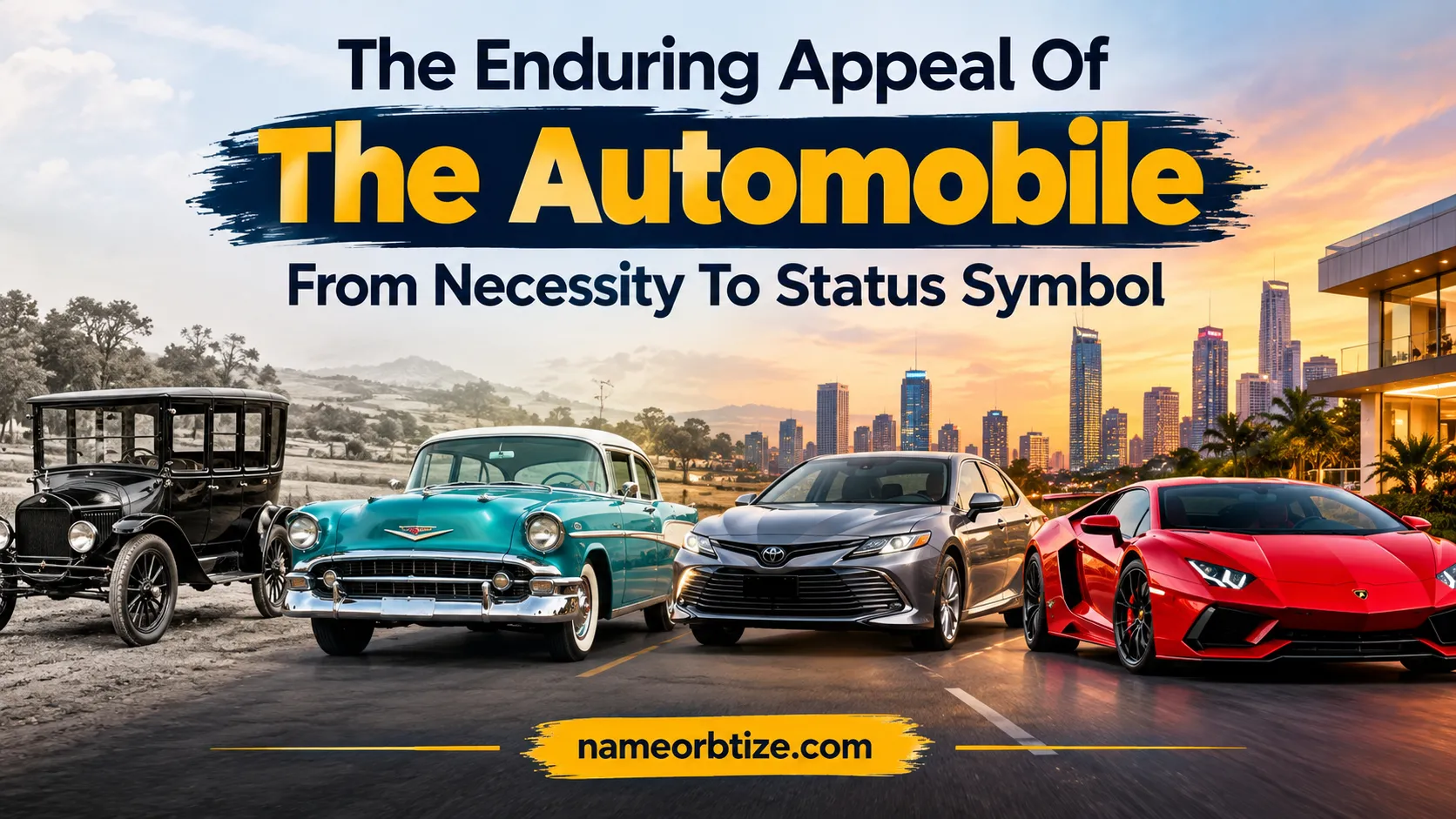
The automobile started as a practical solution to transportation problems, but its role has expanded far beyond getting people from one place to another. Cars have become symbols of freedom, independence, achievement, personality, technology, and social identity.
The enduring appeal of the Automobile comes from this unusual combination of usefulness and meaning. A car can be a daily necessity, a family tool, a personal sanctuary, a hobby, or a status symbol depending on who owns it and why.
Why the Automobile Became More Than Transportation
The automobile changed the relationship between people and distance. Instead of depending entirely on fixed routes and schedules, individuals gained greater control over when and where they traveled.
Over time, that practical advantage became connected with emotions, identity, lifestyle, and personal freedom.
- “A car stopped being just transportation when people started attaching memories to every mile.”
- “The automobile turned distance from a barrier into a problem with a steering wheel.”
- “Cars became personal spaces where journeys could feel almost as important as destinations.”
- “Transportation became lifestyle when people began choosing cars for reasons beyond necessity.”
- “The best car often represents the life its owner wants to experience.”
- “A vehicle can carry groceries, dreams, responsibilities, and weekend adventures at the same time.”
- “The automobile became culturally powerful because it solved practical problems while creating emotional ones.”
- “Cars gave people mobility, but culture gave that mobility meaning.”
- “A driveway can hold more than a vehicle; it can hold a piece of someone’s identity.”
- “The automobile became personal the moment people started caring what their car said about them.”
- “A useful machine gradually became one of the most recognizable objects of modern life.”
- “Cars connect destinations, but they also connect people with memories.”
- “The automobile became more than transportation because humans rarely leave useful things emotionally neutral.”
- “Every generation finds a new reason to care about cars.”
- “The enduring automobile is part machine, part tool, and part cultural symbol.”
The Early History That Changed Personal Mobility
Early automobiles represented a major shift in personal mobility. They offered an alternative to traditional transportation and gradually encouraged societies to rethink roads, cities, travel, and everyday life.
The history of the automobile is therefore not simply a story about engines; it is also a story about changing human movement.
- “The first automobiles did more than move people; they challenged old ideas about distance.”
- “Early cars made personal mobility feel like a technological experiment that actually worked.”
- “Every early automobile carried the promise of going farther without asking permission from a timetable.”
- “The automobile transformed travel from a shared schedule into a personal decision.”
- “Mechanical innovation became social innovation when cars entered everyday life.”
- “The history of the automobile is also the history of people gaining more control over movement.”
- “Early motorists were not simply drivers; they were participants in a new transportation culture.”
- “The automobile made the road feel less like a fixed route and more like an open possibility.”
- “A machine designed for movement eventually changed how communities imagined their future.”
- “The early automobile turned curiosity about technology into practical mobility.”
- “Cars became important because they made personal travel increasingly predictable and flexible.”
- “Automotive history is really a timeline of shrinking distances.”
- “The automobile did not simply join society; it helped redesign parts of society around mobility.”
- “Early cars introduced a new idea: transportation could belong to the individual.”
- “The first automobile revolution was about more than horsepower; it was about personal choice.”
How Mass Production Made Cars Accessible
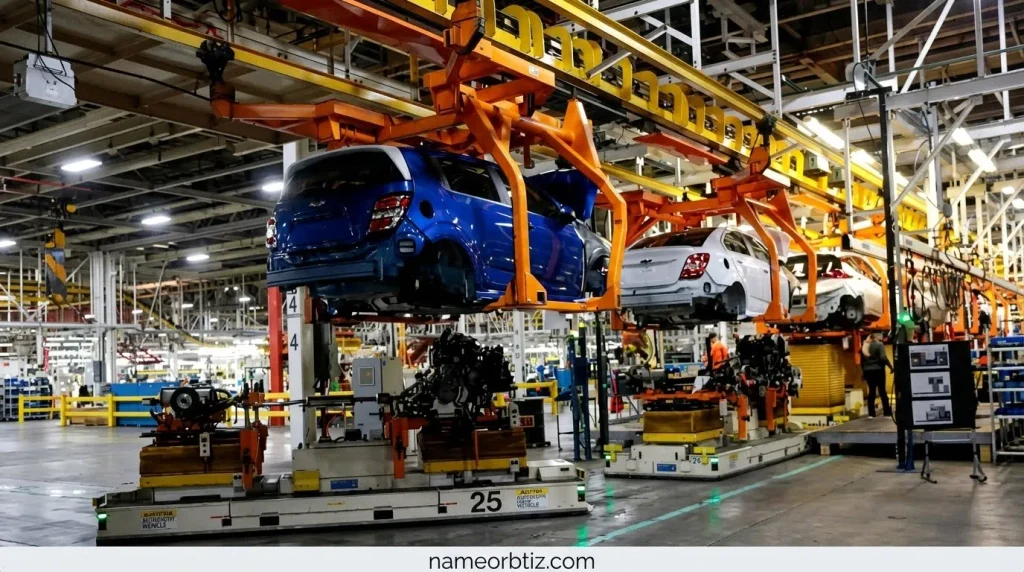
Mass production dramatically changed the automobile industry. Innovations associated with assembly-line manufacturing helped make cars more affordable and available to larger numbers of consumers.
As ownership expanded, the automobile moved from being an unusual technological product toward becoming an everyday household possession.
- “Mass production turned the automobile from a novelty into a possibility for ordinary families.”
- “The assembly line changed the car from an exclusive invention into a consumer product.”
- “Affordable automobiles helped transform personal mobility into a mainstream expectation.”
- “When more people could own cars, the cultural meaning of the automobile became much bigger.”
- “Production efficiency gave the automobile something luxury alone could never provide: scale.”
- “The rise of mass ownership made the car part of everyday family life.”
- “A machine becomes culturally powerful when ordinary people can imagine owning one.”
- “Mass production did not just build more cars; it built an automobile culture.”
- “The affordable car changed what people expected from work, travel, shopping, and leisure.”
- “The Model T era demonstrated how manufacturing could reshape consumer behavior.”
- “Cars became common because technology eventually met affordability.”
- “Mass ownership transformed the automobile from an invention into infrastructure for everyday life.”
- “The road became more important when the average household could realistically reach it.”
- “Automobile culture grew fastest when car ownership stopped feeling impossible.”
- “The real revolution was not merely building cars faster; it was putting mobility within reach of more people.”
The Automobile and the Rise of Personal Freedom
One of the strongest reasons behind the automobile’s enduring appeal is the feeling of freedom it can provide. Drivers can often choose their route, timing, destination, and travel companions.
That flexibility gives the automobile an emotional value that public transportation alone cannot always reproduce.
- “A car can turn a fixed schedule into a personal itinerary.”
- “Freedom sometimes feels as simple as choosing which road to take.”
- “The automobile made spontaneous travel easier to imagine and easier to experience.”
- “Personal mobility gives people something valuable: control over their own time.”
- “A road feels different when you know you can choose where it leads.”
- “Cars became symbols of freedom because movement became more personally controlled.”
- “The automobile can make a distant opportunity feel surprisingly close.”
- “Independence is not always dramatic; sometimes it is simply being able to leave when you need to.”
- “A car can transform transportation from waiting into deciding.”
- “The emotional appeal of driving often comes from having choices.”
- “Personal mobility gives everyday life a wider geographical playground.”
- “Freedom on four wheels is often really freedom over time.”
- “The automobile made spontaneous plans part of modern mobility.”
- “Cars became culturally powerful because they gave movement a personal dimension.”
- “The road became an expression of choice long before it became an expression of status.”
Why Cars Became Symbols of Independence
For many people, owning or driving a car represents the ability to manage responsibilities without relying entirely on others. This can be especially meaningful for work, family commitments, education, and everyday errands.
The automobile therefore became closely connected with independence.
- “A car can symbolize independence without saying a single word.”
- “Mobility becomes empowering when people can organize their journeys themselves.”
- “For many families, a reliable vehicle represents responsibility as much as freedom.”
- “Independence can begin with something as ordinary as having your own keys.”
- “The automobile became a symbol of adulthood because mobility often accompanies responsibility.”
- “A personal vehicle can make everyday obligations feel more manageable.”
- “Cars help connect people to workplaces, schools, services, and opportunities.”
- “The value of a vehicle is sometimes measured in convenience rather than horsepower.”
- “A dependable car can quietly support an entire household.”
- “Independence is one reason practical vehicles can be just as meaningful as expensive ones.”
- “The automobile became a symbol of self-reliance because it supports personal decision-making.”
- “A vehicle can represent the ability to handle life’s schedule without constantly depending on someone else.”
- “Mobility creates options, and options create a sense of independence.”
- “The emotional value of a car often begins with what it allows its owner to do.”
- “Sometimes the most important feature of a car is Simply that it gets you where you need to go.”
When the Automobile Became a Status Symbol
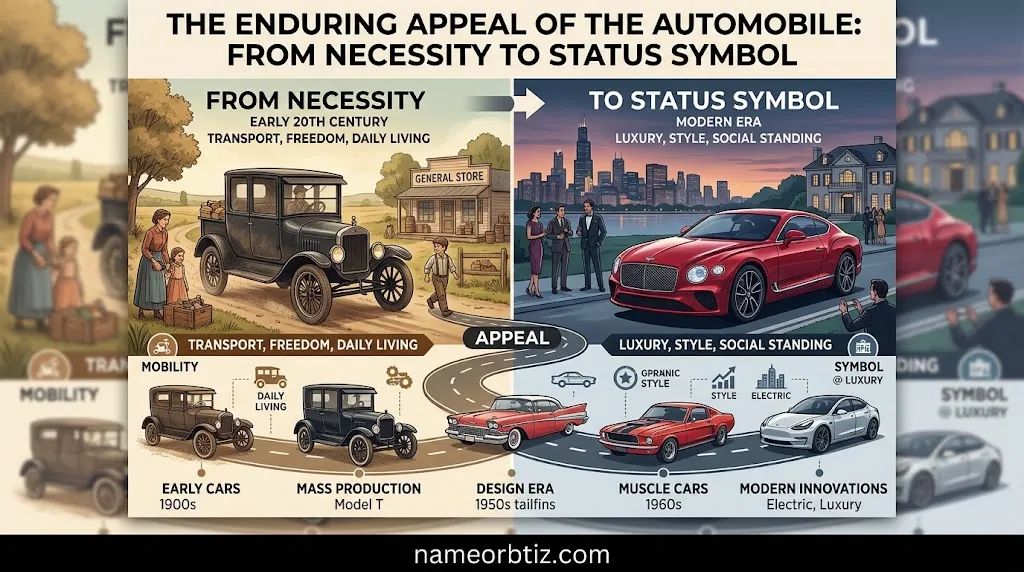
As car ownership expanded, vehicles increasingly became associated with achievement, wealth, lifestyle, and social position. Certain models began communicating messages about their owners before a conversation even started.
This transformed the automobile from a practical object into a visible social signal.
- “A car can tell a social story before its owner says hello.”
- “Status entered the automobile when transportation became something people could compare.”
- “The difference between needing a car and displaying a car is where symbolism begins.”
- “Luxury vehicles turned mobility into a visible statement of achievement.”
- “A vehicle can become a social signal when people judge more than its ability to move.”
- “Cars became status symbols because visible possessions often become shorthand for success.”
- “The automobile offered society a moving billboard for personal achievement.”
- “A prestigious vehicle can communicate ambition, taste, wealth, or professional success.”
- “Status is rarely just about the machine; it is about what people believe the machine represents.”
- “The automobile became socially powerful because it travels wherever its message is displayed.”
- “Some people buy cars for transportation, while others buy the story attached to them.”
- “A luxury car can symbolize arrival long before it reaches its destination.”
- “Automobile status is shaped as much by culture as by engineering.”
- “The meaning of an expensive car depends on the society watching it.”
- “The status symbol survives because humans continue to give objects social meaning.”
How Luxury Brands Changed the Meaning of Car Ownership
Luxury automotive brands expanded the symbolic side of ownership through design, craftsmanship, technology, performance, heritage, and exclusivity.
These vehicles often sell an experience and identity alongside transportation.
- “Luxury cars sell more than movement; they sell an interpretation of success.”
- “Premium automotive design turns engineering into visual storytelling.”
- “A luxury badge can represent heritage, exclusivity, craftsmanship, or aspiration.”
- “Luxury vehicles became cultural symbols because scarcity makes ordinary objects feel extraordinary.”
- “The appeal of premium cars often begins before the engine starts.”
- “Design can transform transportation into an object people admire.”
- “Luxury brands compete not only through performance but through meaning.”
- “A prestigious automobile can function as a reward, a statement, or an aspiration.”
- “The strongest luxury brands make owners feel part of a story bigger than the vehicle.”
- “Automotive craftsmanship becomes emotionally powerful when people can see and feel the difference.”
- “Luxury transformed the car from a utility into an experience.”
- “A premium automobile can represent years of ambition compressed into one driveway.”
- “Exclusivity gives certain vehicles cultural value beyond their practical function.”
- “Luxury ownership is often about what the vehicle makes its owner feel.”
- “The modern luxury car is transportation wrapped in identity, design, and aspiration.”
Cars as Expressions of Personality and Identity
Not every meaningful car is expensive. People choose vehicles based on practicality, aesthetics, hobbies, family needs, performance preferences, environmental concerns, or simply personal taste.
That makes cars unusually visible forms of self-expression.
- “Your car does not need to be expensive to say something about you.”
- “A practical car can express personality just as clearly as a sports car.”
- “Color, design, modifications, and features can turn a vehicle into personal style.”
- “People often choose cars that fit the life they already live—or the life they imagine.”
- “A vehicle can become part of someone’s identity through years of shared experiences.”
- “The right car feels less like a purchase and more like a personal match.”
- “Automobile culture gives people countless ways to express taste.”
- “Some drivers choose performance, others choose comfort, and both choices reveal priorities.”
- “A family vehicle can symbolize care, while a compact car can symbolize simplicity.”
- “Cars become personal when owners stop seeing them as interchangeable machines.”
- “Identity can be expressed through what people drive, maintain, modify, or preserve.”
- “A vehicle can reflect personality without needing a luxury badge.”
- “The automobile is one of the few everyday objects that travels publicly with its owner.”
- “Personal taste turns mass-produced machines into individual statements.”
- “The most meaningful car is often the one that feels right for its owner’s life.”
The Influence of Advertising and Popular Culture
Automobile advertising and popular culture have played a major role in shaping how people think about cars. Movies, television, music, social media, racing, and advertising have connected vehicles with adventure, romance, success, rebellion, family, and freedom.
- “Advertising taught generations to imagine a lifestyle before buying the vehicle.”
- “Cars became cultural icons when stories gave them personalities.”
- “Popular culture turned automobiles into symbols people could recognize instantly.”
- “A vehicle can become famous because of the story surrounding it.”
- “Advertising rarely sells four wheels alone; it sells the feeling attached to them.”
- “Movies made certain cars memorable because audiences connected machines with characters.”
- “Automotive culture grew when cars Became part of entertainment.”
- “Social media has transformed car enthusiasm into a global visual conversation.”
- “A memorable automobile advertisement can make transportation feel like aspiration.”
- “Racing culture connected cars with competition, technology, courage, and performance.”
- “Popular culture keeps reinventing what a desirable car looks like.”
- “The automobile became culturally recognizable because media repeatedly gave it symbolic meaning.”
- “A car can become iconic when people remember the story before they remember the specifications.”
- “Modern automotive trends spread quickly because digital culture makes vehicles highly shareable.”
- “The strongest car images sell an emotion first and an automobile second.”
- Why People Develop Emotional Attachments to Cars
Cars can become connected with important life events: first road trips, family vacations, new jobs, friendships, milestones, and personal achievements.
That emotional history helps explain why people sometimes value particular vehicles far beyond their market price.
- “A car becomes special when memories become attached to its seats.”
- “People remember journeys long after they forget the fuel bill.”
- “Emotional attachment often comes from experiences, not specifications.”
- “A family car can become a rolling archive of shared memories.”
- “The vehicle that carried someone through an important chapter can become impossible to replace emotionally.”
- “Cars can become meaningful because they quietly witness everyday life.”
- “A road trip can give an ordinary vehicle extraordinary sentimental value.”
- “People often keep old cars because replacing the machine cannot replace the memories.”
- “Attachment grows when a vehicle becomes part of someone’s personal timeline.”
- “The emotional value of a car is rarely listed on its price tag.”
- “A familiar dashboard can become part of the scenery of an entire life stage.”
- “Cars can represent first jobs, first adventures, family traditions, and personal milestones.”
- “Sometimes people love a vehicle because of where it took them, not what it was.”
- “Automobile nostalgia is really memory wearing mechanical clothing.”
- “The strongest car memories are usually measured in moments rather than miles.”
The Practical Reasons Cars Remain Essential
Despite changing attitudes toward transportation, automobiles remain important because they provide flexibility and convenience. For many people, cars connect homes with workplaces, schools, healthcare, shopping, family responsibilities, and recreation.
Their practical value remains one of the strongest foundations of their enduring appeal.
- “A status symbol may attract attention, but practicality keeps the keys in your pocket.”
- “Cars remain useful because everyday life rarely happens in one location.”
- “Convenience is one of the automobile’s most durable advantages.”
- “A vehicle can turn several difficult trips into one manageable journey.”
- “Family life often makes flexible transportation especially valuable.”
- “Cars remain important wherever public transportation cannot conveniently meet every need.”
- “The practical value of an automobile often becomes obvious when time is limited.”
- “A reliable vehicle can support work, education, errands, and recreation in the same week.”
- “The best transportation solution is often the one that fits real life.”
- “Automobile necessity depends heavily on geography, infrastructure, employment, and household needs.”
- “Cars remain relevant because flexibility has real economic and personal value.”
- “Convenience is not glamorous, but it is one of the biggest reasons people continue driving.”
- “The automobile survives cultural changes because practical problems keep demanding practical solutions.”
- “For many households, a car is less a luxury than a mobility tool.”
- “The automobile remains powerful because usefulness never goes completely out of fashion.”
How Technology Is Changing the Meaning of the Automobile
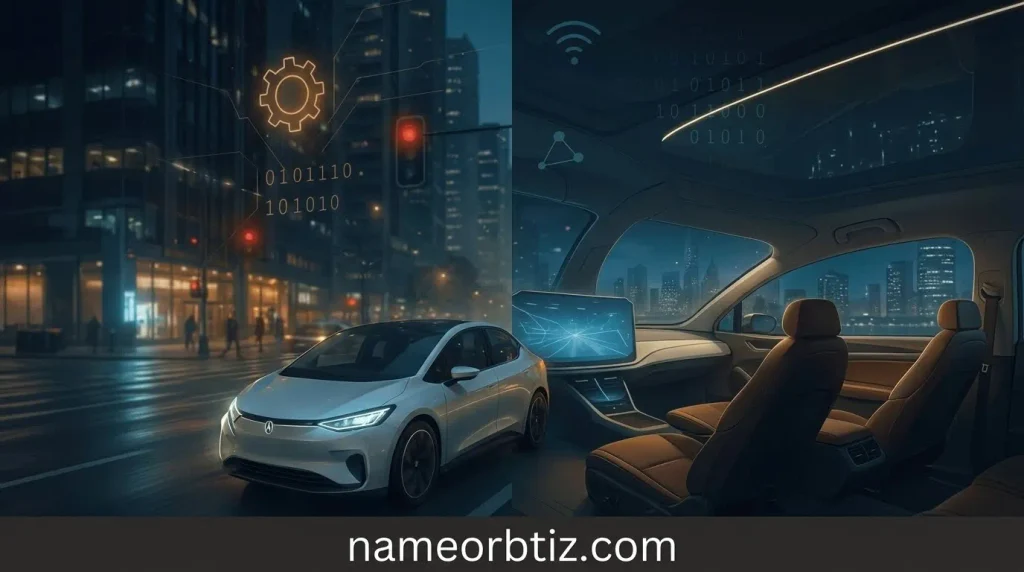
Modern vehicles are increasingly defined by software, connectivity, driver-assistance systems, digital interfaces, sensors, and advanced safety technology.
As cars become more technologically sophisticated, their appeal increasingly includes digital experience as well as mechanical performance.
- “The modern automobile is becoming as much a computer as a machine.”
- “Technology has moved the car’s personality from the engine bay to the software system.”
- “Digital features are changing what consumers expect from everyday vehicles.”
- “Connectivity has made the automobile part of a larger digital lifestyle.”
- “Modern drivers increasingly evaluate vehicles by intelligence as well as performance.”
- “Safety technology adds a new layer of value that cannot be measured by speed alone.”
- “The automobile is evolving from mechanical transportation into connected mobility.”
- “Software updates can now influence a vehicle long after it leaves the factory.”
- “Technology is making cars more personalized, responsive, and data-driven.”
- “The future car may be judged as much by its interface as by its horsepower.”
- “Automotive innovation increasingly happens through both hardware and software.”
- “Digital convenience is becoming part of the modern definition of a good car.”
- “Technology can change the ownership experience without changing the basic shape of the vehicle.”
- “The automobile’s next identity may be defined by intelligence rather than status.”
- “Cars are entering an era where the dashboard can feel more like a digital ecosystem.”
Electric Vehicles and the New Automotive Identity
Electric vehicles are reshaping the automobile’s Cultural identity by emphasizing electrification, efficiency, software, sustainability, and new approaches to performance.
The transition also shows how the meaning of a car can evolve while its fundamental role in personal mobility remains.
- “The electric vehicle is changing what people imagine when they hear the word automobile.”
- “Electric mobility adds environmental values to the traditional meanings of car ownership.”
- “The modern automobile can represent innovation as much as mechanical tradition.”
- “Electric vehicles connect transportation with conversations about energy and sustainability.”
- “A new powertrain can create an entirely new automotive identity.”
- “The electric car is proof that automotive culture can evolve without disappearing.”
- “Performance no longer has to mean the same thing it meant in the gasoline era.”
- “Technology is giving the automobile a new vocabulary of efficiency and innovation.”
- “Electric vehicles are becoming part of a broader shift in how people think about mobility.”
- “The future of automotive identity may combine performance, software, efficiency, and sustainability.”
- “A quieter vehicle can still make a loud cultural statement.”
- “Electrification is changing not only how cars move but how people discuss them.”
- “The automobile’s future may be less about engine size and more about intelligent mobility.”
- “Electric vehicles show that status can increasingly be connected with innovation.”
- “The next generation of car culture may celebrate technology as much as horsepower.”
Is the Automobile Still a Status Symbol Today?
The automobile remains a status symbol, but the meaning of status is becoming more complicated. Luxury, rarity, performance, technology, sustainability, personalization, and brand reputation can all influence how vehicles are perceived.
Status is no longer defined by price alone.
- “Modern automotive status can mean luxury, innovation, rarity, or personal taste.”
- “The most desirable vehicle is not automatically the most expensive one.”
- “Technology has created new ways for cars to communicate social identity.”
- “Some drivers display success through luxury, while others display values through efficiency.”
- “Automotive status changes as society changes.”
- “A rare classic and an advanced electric vehicle can represent completely different forms of prestige.”
- “Today, identity may matter as much as price when people choose a vehicle.”
- “Personalization allows ordinary vehicles to become highly individual statements.”
- “Status symbols evolve because cultural values evolve.”
- “The automobile remains visible enough to communicate something about its owner.”
- “Prestige can come from heritage, innovation, craftsmanship, performance, or sustainability.”
- “A car can symbolize success without being the most expensive object in the parking lot.”
- “Modern car culture proves that status has multiple languages.”
- “The automobile remains a social signal because people still notice what others drive.”
- “The status symbol survived by changing its definition.”
What the Future Holds for Car Ownership
The future of the automobile may include greater electrification, connected technology, advanced driver assistance, new ownership models, and changing attitudes toward private vehicles.
Yet the automobile’s enduring appeal suggests that personal mobility will remain culturally important even as the technology changes.
- “The future automobile may look different, but the human desire for mobility will remain.”
- “Cars can change their technology without losing their cultural importance.”
- “The next generation may value software and sustainability alongside traditional performance.”
- “Ownership may evolve, but people will continue seeking convenient ways to move through the world.”
- “The future of the automobile will be shaped by both technology and changing social values.”
- “Electric power, connectivity, and automation may redefine what people expect from a vehicle.”
- “The automobile’s next chapter may be less about ownership alone and more about mobility choices.”
- “Future cars may become increasingly personalized through software.”
- “Sustainability could become one of the strongest influences on automotive identity.”
- “The car of tomorrow may be judged by what it enables rather than simply what it costs.”
- “Automotive culture will survive by adapting to new expectations.”
- “The automobile has reinvented itself before, and it will likely do so again.”
- “Future mobility may challenge traditional ownership without eliminating the appeal of personal transportation.”
- “The enduring automobile is not defined by one engine, one fuel, or one generation.”
- “The future belongs to vehicles that combine usefulness, identity, technology, and changing human needs.”
People also ask
A: The automobile combines practical transportation with flexibility, independence, convenience, personal identity, and emotional value. These overlapping benefits help explain its lasting cultural importance.
A: Cars gradually became status symbols as ownership expanded and manufacturers introduced increasingly differentiated models based on luxury, performance, design, prestige, and exclusivity.
A: People often connect vehicles with important memories such as family trips, personal milestones, friendships, work, and periods of independence. Those experiences can give an ordinary vehicle strong sentimental value.
A: For many people, yes. The importance of car ownership depends on location, public transportation, lifestyle, employment, household needs, and personal preferences.
A: Yes. Electric vehicles are introducing new ideas around sustainability, software, technology, efficiency, and performance while continuing the automobile’s traditional role in personal mobility.
Conclusion
The enduring appeal of the automobile comes from its ability to serve several purposes at once. It can be a practical transportation tool, a symbol of independence, a source of convenience, an expression of personality, a container for memories, and a visible marker of achievement.
From early personal mobility to mass production, automobile culture, luxury vehicles, digital technology, and electric mobility, the meaning of the car has continually evolved. What has remained consistent is the human desire for mobility, choice, convenience, and self-expression.
The automobile may look very different in the future, but its cultural significance is unlikely to disappear simply because its technology changes. Its Greatest strength has always been its ability to adapt to what people value.